New specialist PWS provision and the PWSA care charter
How we are working to influence standards and expand access to high quality PWS care in the UK
We know that families across the UK are struggling to find suitable places for their loved ones with Prader-Willi syndrome to live once they are adults. There is now compelling evidence that living in specialist PWS services can significantly improve outcomes for adults with PWS, however the availability of these services remains very limited; we are frequently seeing people having to move long distances from their home and family to access appropriate care. This is an issue that, without intervention, will be exacerbated as people with PWS live longer.
Providing high-quality care for people with PWS can be complex and challenging, but some services are providing excellent care, enabling people to stay healthy, thrive and live meaningful, happy lives. Unfortunately, standards of care between providers can vary significantly and many families have experienced issues like insufficient supervision, lack of understanding of PWS and poor dietary control. When issues like these come to a head, sadly, placement breakdowns occur, leaving people in very difficult circumstances.
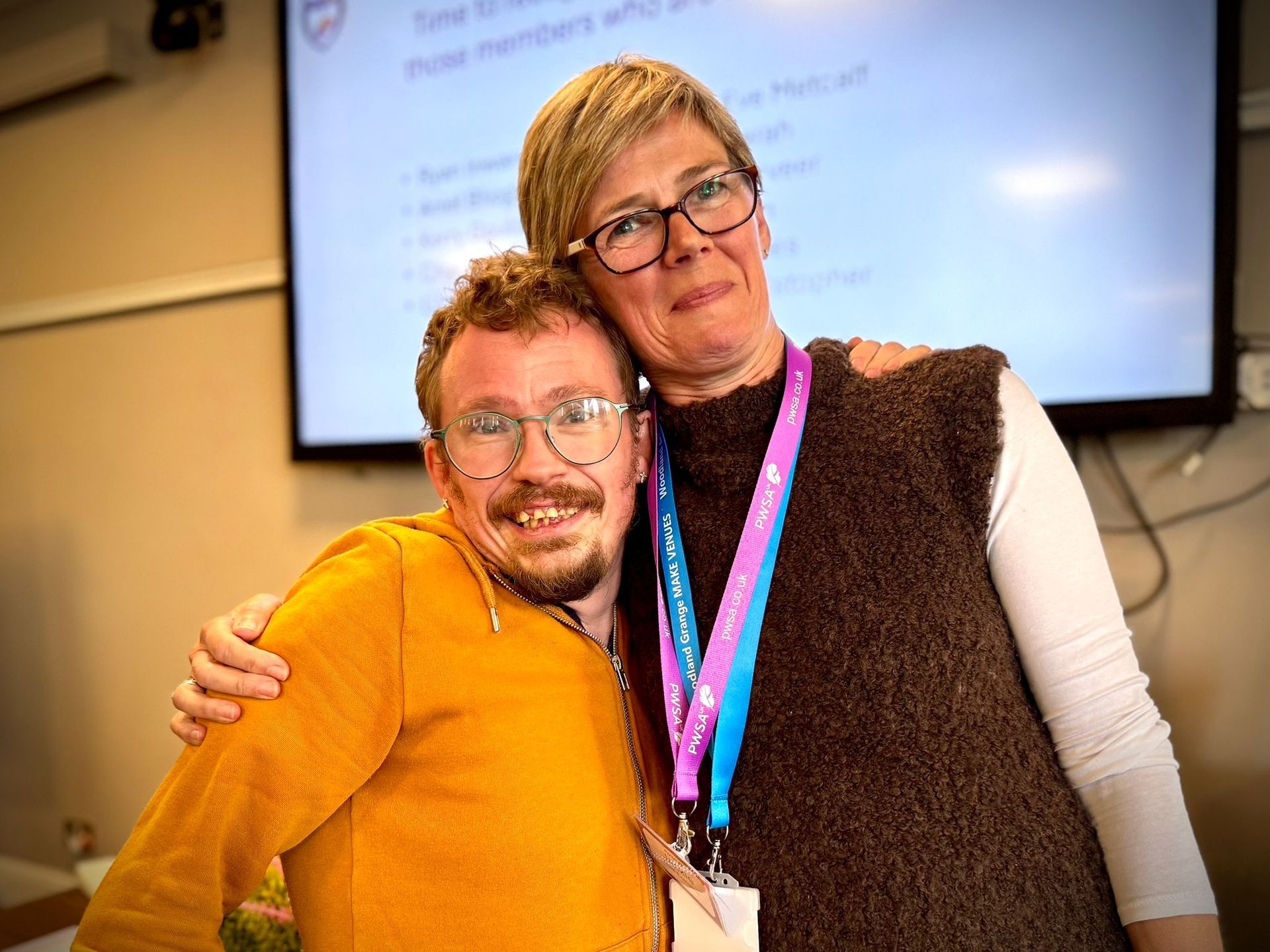
Two years ago, PWSA UK enlisted a special project manager, Myles Kelly, to explore how we could address these challenges. Myles has been looking at how we can expand access to high quality PWS care in the UK and influence and improve standards where needed. Myles has worked with people with PWS for 40 years in roles across the care sector so brings a wealth of much-needed insight and experience to this project.
As a small charity, PWSA UK does not have the resources to set up our own residential services, nor can we solve the wider structural problems within the UK’s health and social care system. What we can do, however, is to with work with providers to improve their understanding of PWS, share best practice, raise standards, and work with them to help create new specialist settings in areas where they are most needed.
Influencing better care through our professional network:
One of Myles' first steps has been to build a professional network of care providers, researchers and international organisations involved in the care of people with PWS. This network now includes more than 100 care professionals, service managers and providers. Through this network we share PWS research and best practice, signpost learning opportunities like conferences and events and support providers to better understand PWS.
Introducing the PWS Provider Charter
One of our most significant recent developments has been the launch of the PWSA UK Provider Charter.
Developed using research, best practice guidance and our experience supporting families, the Charter sets out the minimum standards that providers should commit to in order to deliver safe, effective, compassionate and person-centred care for people with PWS.
We have approached all known PWS providers and invited them to sign it to demonstrate their commitment to upholding these standards of care. Families and commissioners can see which providers have signed up, and which are yet to do so - this information is contained in our PWS provider list. You can read the charter in full here and see the PWS provider list here.
Expanding PWS Provision: new services!
Myles has been working with existing and potential PWS care providers to try and get more specialist PWS services open in areas where they are needed. As a result of this, we are excited to tell you that for the first dedicated PWS residential service will be opening in the South West this summer, Frensham House in Brixham, Devon. We're continuing to identify gaps in care provision across the UK and have been exploring and supporting new developments in London, South Wales, North West England and a respite service in Scotland.
We're also exploring need and demand for a service for ‘older’ adults with PWS and for a residential service for children with PWS (very early days).
Delivering PWS training:
One of the key services we provide is specialist training for professionals about PWS. Over the last two years we've delivered training to 1787 professionals caring for people with PWS! Demand for this service is still expanding, so we have recently hired a dedicated training manager, Kate Powell, who brings a wealth of sector experience, as well as being mum to a son with PWS. Kate has some very exciting developments planned which will enable us to educate more professionals about PWS than ever before.
When Things Go Wrong:
We know that concerns can arise even in well-established services. This can ultimately lead to placement breakdown for individuals, and we have even seen services closing altogether in some instances. In these situations, PWSA UK can act to advocate on behalf of families to resolve issues with care providers.
PWSA UK can:
- Help families raise concerns
- Act as an intermediary between families and providers
- Support complaints and problem-solving
- Raise issues anonymously where appropriate
- Provide specialist advice and guidance
In our experience, early intervention often leads to better outcomes. If concerns are beginning to emerge, we encourage families to contact us as soon as possible.
Connecting Families
Many parents and family members tell us that speaking to others who understand their experiences is invaluable.
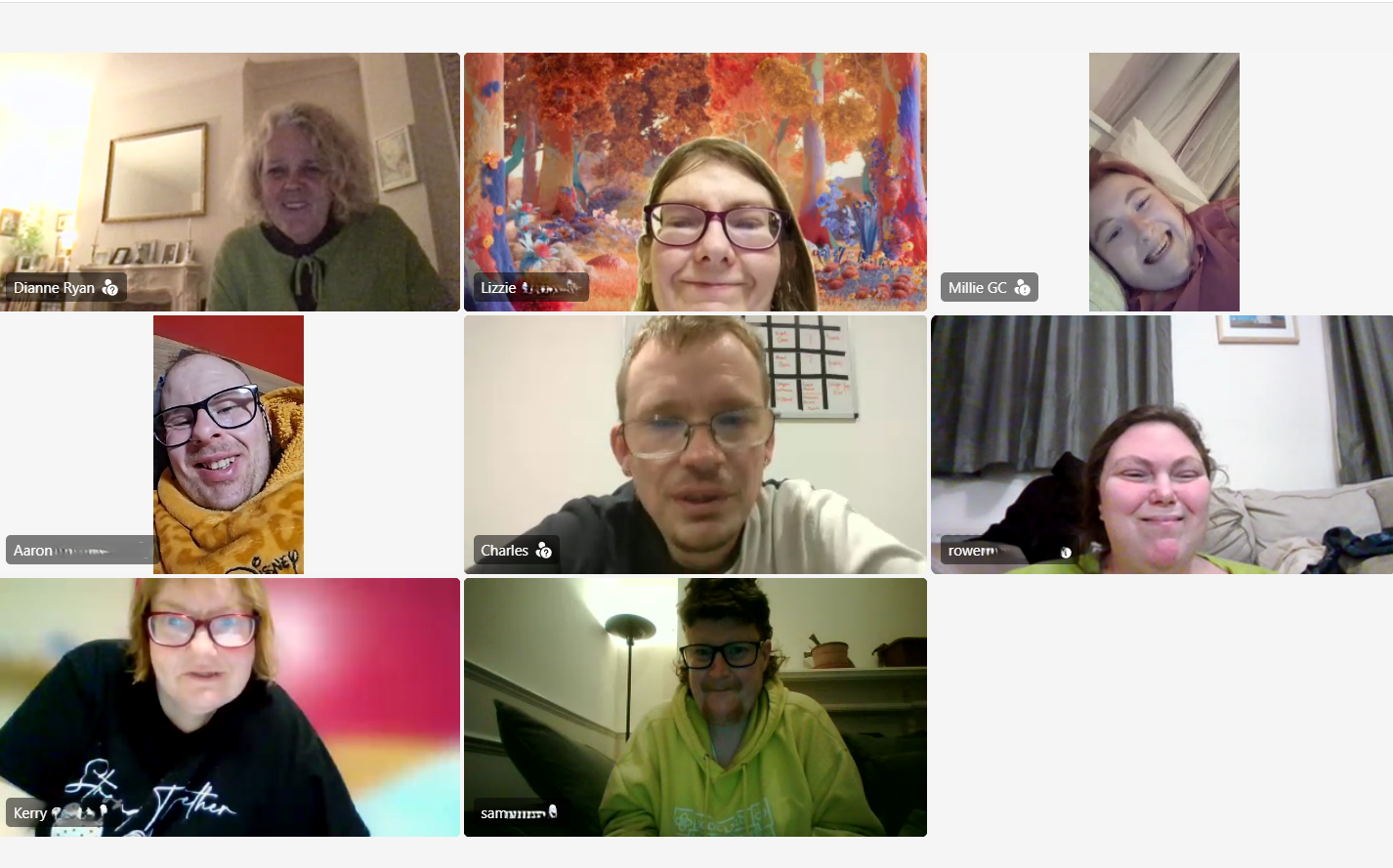
We are exploring ways to strengthen opportunities for families to connect, share experiences and support one another when navigating residential care and supported living. We recently conducted an online meeting and a survey for families of people with PWS living in residential settings and supported living to ask how you would like us to support you and how you would like to connect with each other.
Your experiences help shape our priorities and strengthen our ability to advocate for better services across the UK.
Next Steps
We're now gathering and considering all your feedback and will come up with a plan for how we can connect families and provide you with updates about this project. Together, we can continue working towards a future where every adult with PWS has access to high-quality, compassionate and specialist support that enables them to live a fulfilling life.